By Gustavoblalmiras • Last updated: March 2026
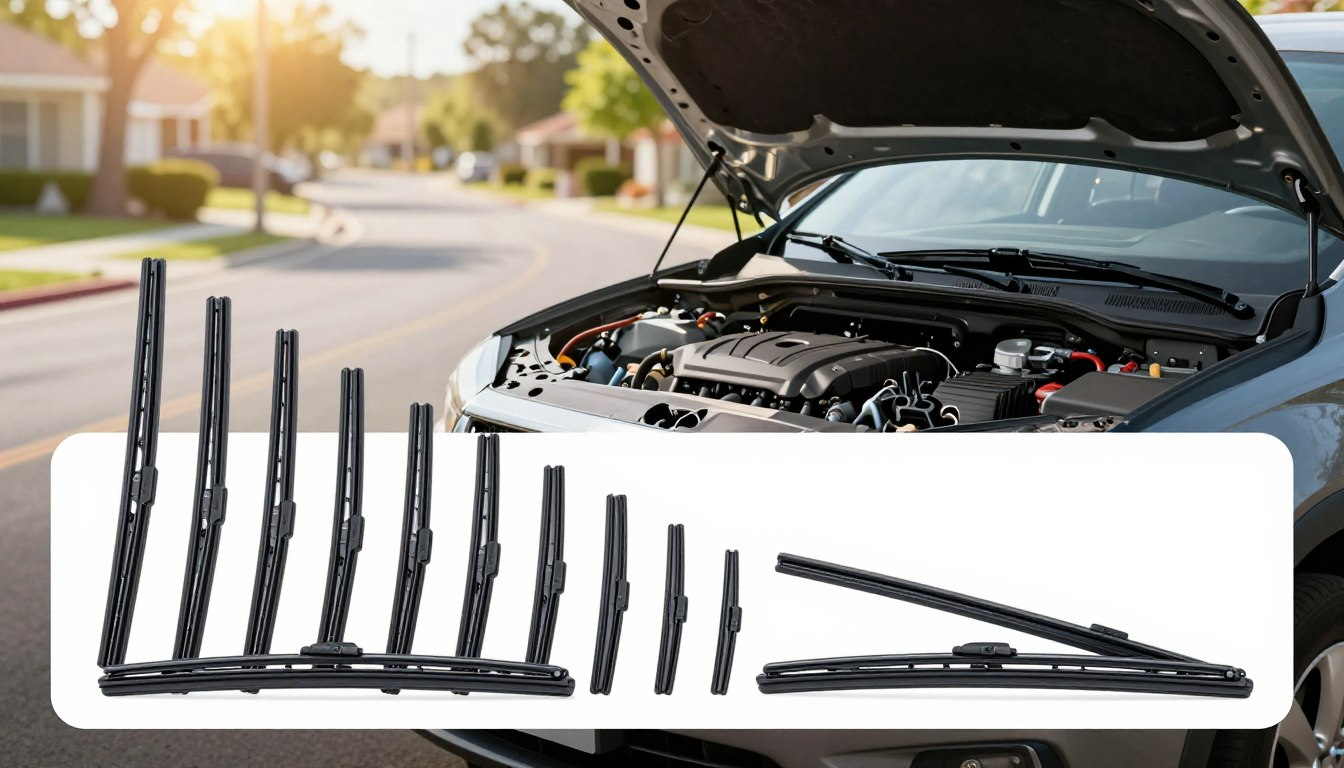
If your wipers are streaking, skipping, or leaving a blurry film, you can usually fix it in 10 minutes—and you don’t need new blades every time. The two most common causes are simple: dirty rubber or the wrong blade size (which prevents full contact with the glass).
This article is for educational and general information only.
This guide gives you both:
- A 10-minute streak fix (clean the glass + restore the rubber edge)
- A fast way to find the exact wiper sizes for your car (front + rear), so your next replacement actually wipes clean
10-minute streak fix (do this first)
What you need: microfiber cloth + glass cleaner (or water + vinegar) + optional rubbing alcohol.
Safety tip: If you lift the wiper arms, place a towel on the windshield. Don’t let the metal arm snap down onto the glass.
- Clean the glass first: spray windshield, wipe dry with microfiber. (Film on glass is why “new wipers still streak.”)
- Clean the blades: lift wiper arms, wipe the rubber edge until the cloth stops turning black.
- Degrease if needed: wipe the rubber edge once with a cloth lightly dampened with rubbing alcohol.
- Test: run washers for 3–5 seconds and wipe.
If it still streaks:
- If rubber is cracked/hardened or the edge looks torn: replace the blades.
- If the blade doesn’t fully touch the glass or skips in sections: it’s often the wrong size or wrong blade style (use the sizing section below).
Why the correct wiper size matters (more than people think)
The correct wiper size matters for two reasons: coverage and pressure. A blade that’s too short misses key areas. A blade that’s too long can collide with trim or lose pressure at the edges, causing streaks and chatter.
Quick signs your wiper size is wrong
- One side wipes clean but the other leaves a consistent unwiped strip
- The blade hits the A-pillar/trim or overlaps the other blade
- Skipping happens at the same spot every time (not random)
How to measure wiper blade size correctly
If you’re measuring, measure the blade length (end to end), not the metal arm.
Tools you’ll need
- Ruler or measuring tape
- Pen + paper (or a phone note)
- Owner’s manual (optional)
Step-by-step measurement process
- Ensure wipers are off and in the resting position.
- Measure the blade length from tip to tip.
- Record it in inches or millimeters.
- Measure the other side too (driver and passenger are often different).
- If you have a rear wiper, measure that separately (it’s often a different style).
Common mistakes
- Measuring the wiper arm instead of the blade
- Assuming both front blades are the same size
- Forgetting the rear wiper (if your car has one)
Find your exact wiper size (3 ways — no guessing)
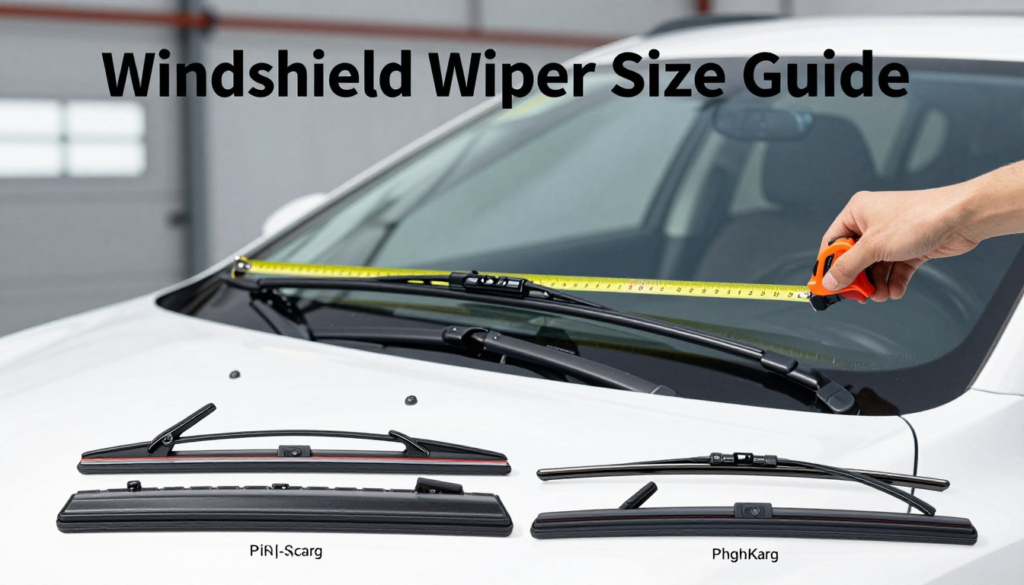
The fastest way to get the correct wiper sizes is to verify them using one of these methods:
- Check your owner’s manual
Manufacturers often list driver/passenger (and rear, if fitted) sizes. - Measure your current blades
Measure the blade length end-to-end (not the arm). Measure both sides. - Use a trusted parts lookup by year/make/model
Major retailers and blade manufacturers return the correct sizes and connector type. This is best if your current blades might be mismatched.
Tip: Rear wipers are usually a different size and connector style—don’t assume they match the front.
Common causes of streaky wipers (quick diagnosis)
| Cause | What it looks like | Fix |
|---|---|---|
| Windshield film (wax/oil/road grime) | Smear or haze even with new blades | Clean glass thoroughly; re-test |
| Dirty rubber edge | Black streaks; streaking gets worse over time | Wipe blade until cloth stays clean |
| Worn/hardened rubber | Skipping + chatter; cracked edge | Replace blades |
| Wrong size or wrong blade style | Missed sections; poor edge contact | Verify size + choose correct style |
| Weak/bent wiper arm | One side consistently worse | Inspect arm; consider professional check |
Types of windshield wiper blades (which one to choose)
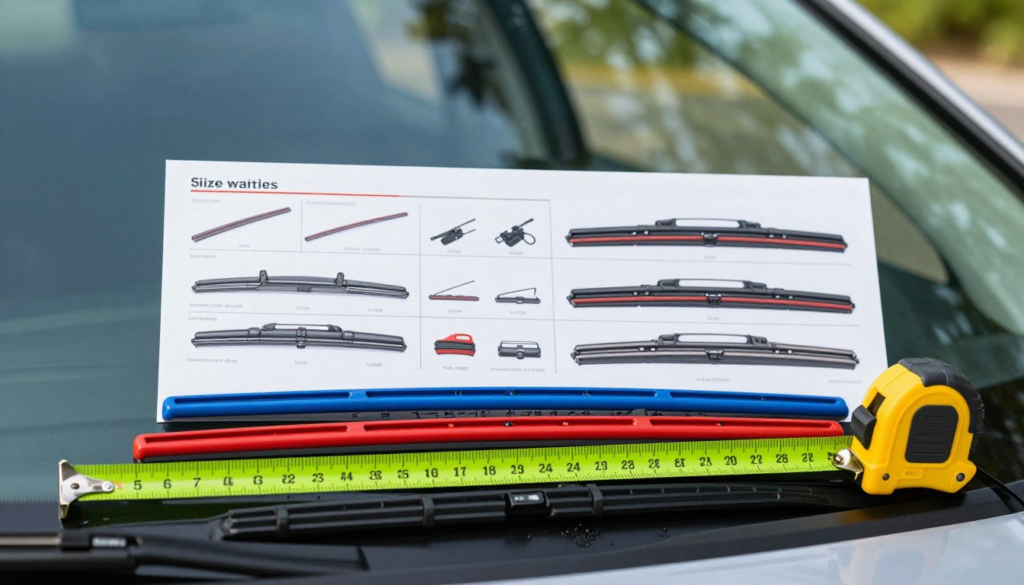
Different blade types suit different conditions and windshields:
Conventional bracket wipers
Affordable and fine in mild climates, but ice buildup can reduce performance.
Beam (bracketless) wipers
Often better on curved windshields and in snow/rain because pressure is more even.
Hybrid wipers
A middle ground: improved contact with some structure/protection.
Winter wipers (snow/ice regions)
Designed to resist ice buildup and stay flexible in cold weather.
How to install new wiper blades (quick and safe)
Connector styles vary (hook, push-button, pin, etc.). Follow the instructions that come with your blades and confirm the blade “clicks” and locks in place.
After install: run washers and test both speeds. If one blade chatters immediately, re-seat the connector or confirm you bought the correct connector style.
Extend wiper life (simple habits)
- Wipe blades during car washes (clean rubber lasts longer).
- Don’t run wipers on a dry, dusty windshield (it wears the edge fast).
- In freezing weather, free the blades from ice before turning them on.
- Top up washer fluid and use it—dry wiping causes chatter and streaks.
Conclusion
Most streaking problems come from glass film or dirty rubber—not instantly “bad blades.” Do the 10-minute clean first, then verify you’re using the correct wiper sizes (front + rear). Clear visibility is safety, especially in heavy rain and winter conditions.
FAQ
How do I know my exact wiper sizes?
Use your owner’s manual, measure both front blades, or use a year/make/model parts lookup. Don’t assume both sides match.
Why do brand-new wipers still streak?
Most often: windshield film (oil/wax), dirty rubber edge, incorrect size/poor contact, or a mismatched blade style for your windshield curve.
What’s the fastest way to stop wiper chatter?
Clean glass + rubber edge first, then confirm the blade is seated correctly. If chatter continues, the rubber may be hardened or the blade type may not match your windshield.
Can I install a longer blade for “more coverage”?
Usually no—too long can hit trim or reduce pressure at the edges. Use the manufacturer-recommended size.
How often should I replace wipers?
Common guidance is 6–12 months, but replace sooner if they smear, skip, crack, or leave unwiped areas.
Sources
About the author
Gustavoblalmiras publishes practical driver guides and car maintenance checklists at DriversAdvice.com. For corrections or update suggestions, please use the site contact page.